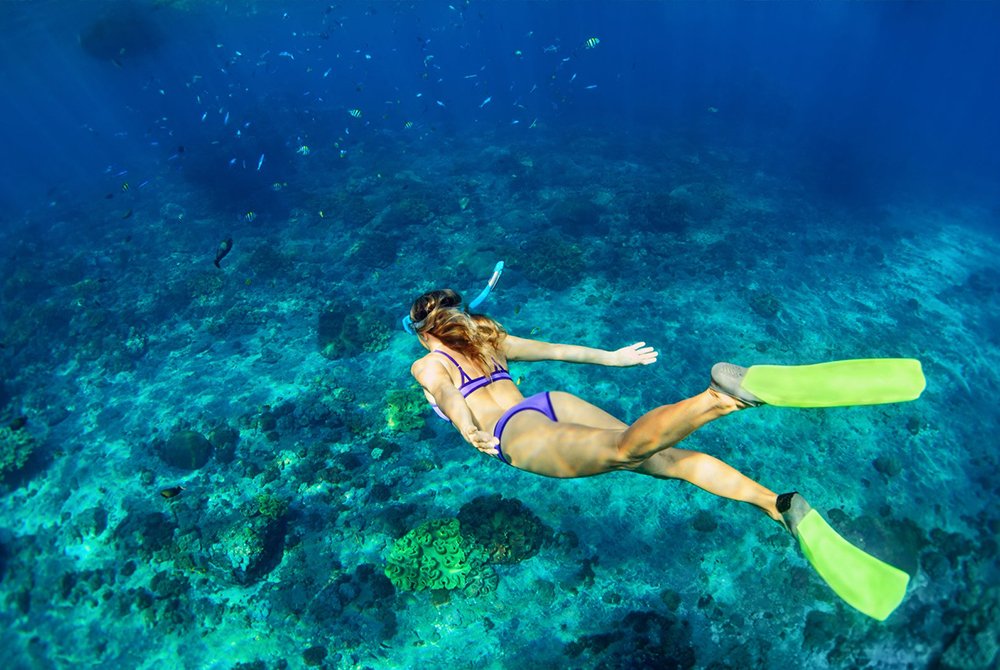
Stretching over 2,300 kilometers along Australia's northeast coast, the Great Barrier Reef is the largest living structure on Earth — visible from space and home to more than 1,500 species of fish, 450 species of hard coral, and countless other marine organisms. For snorkelers, it's the ultimate destination: warm water, staggering biodiversity, and reefs so shallow you can float above an entire ecosystem.
Whether you're planning your first trip or your tenth, this guide covers where to go, what you'll see, and how to make the most of your time on the reef.
Where to Snorkel
The Great Barrier Reef stretches from the tip of Cape York to Bundaberg, and different sections offer very different experiences. Most visitors access the reef from one of three main hubs.
From Cairns
Cairns is the most popular gateway, with dozens of day-trip operators heading to the outer reef. Flynn Reef is a standout — it features arguably the best coral garden on the entire GBR, with a dense mosaic of hard and soft corals in sheltered, clear water. Michaelmas Cay, a small sandy island ringed by thriving reef, is another excellent option and a haven for nesting seabirds.
From Port Douglas
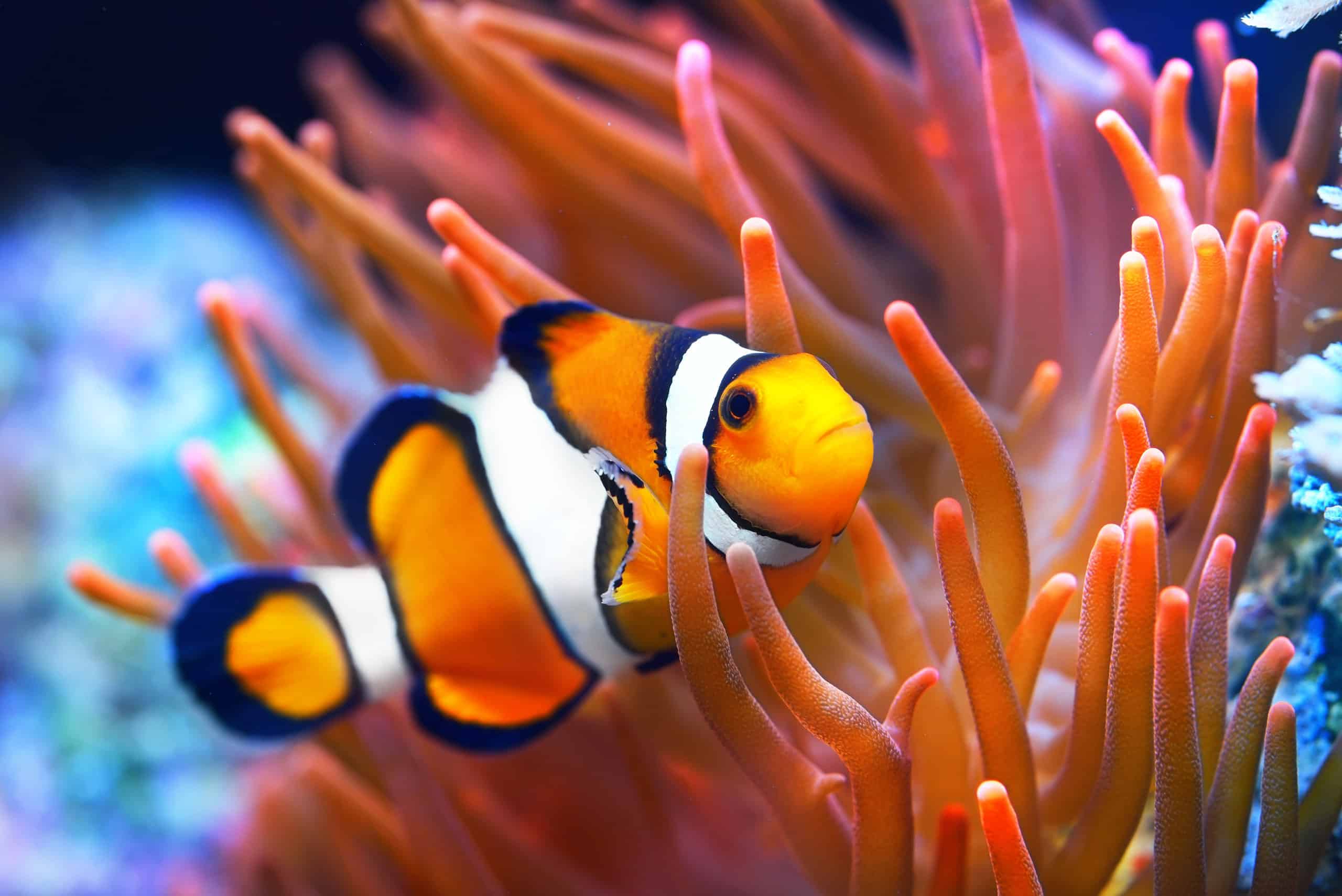
An hour north of Cairns, Port Douglas offers access to the Agincourt Reefs — the most northerly ribbon reefs visited by day boats. These outer-edge reefs sit right at the continental shelf, where nutrient-rich currents produce exceptional visibility and dense marine life. Expect large sponges, swim-throughs, and anemones crowded with clownfish. Opal Reef, also accessible from Port Douglas, is known for its crystal-clear water and vivid coral formations.
Island-Based Snorkeling
For those who want to snorkel straight off the beach, the reef islands deliver. Lady Elliot Island, at the reef's southern tip, is a true coral cay where you can wade in from shore and be surrounded by manta rays, turtles, and reef sharks within minutes. Heron Island, nearby, offers similarly pristine fringing reefs. In the north, Lizard Island harbors over 150 coral species in its surrounding waters — remote, uncrowded, and spectacularly healthy.
Marine Life You'll Encounter
The GBR's biodiversity is almost overwhelming. Here are the species you'll see most often — and a few special encounters to watch for.
The Everyday Cast
Clownfish are everywhere on the GBR, tucked into anemones in the shallows. They're one of the first species most snorkelers spot, and they never get old. Damselfish — small, feisty, and abundant — are the constant background presence on any reef dive. Parrotfish, with their fused beak-like teeth, crunch through coral all day, producing the fine white sand that forms the reef's islands. You'll hear them before you see them.
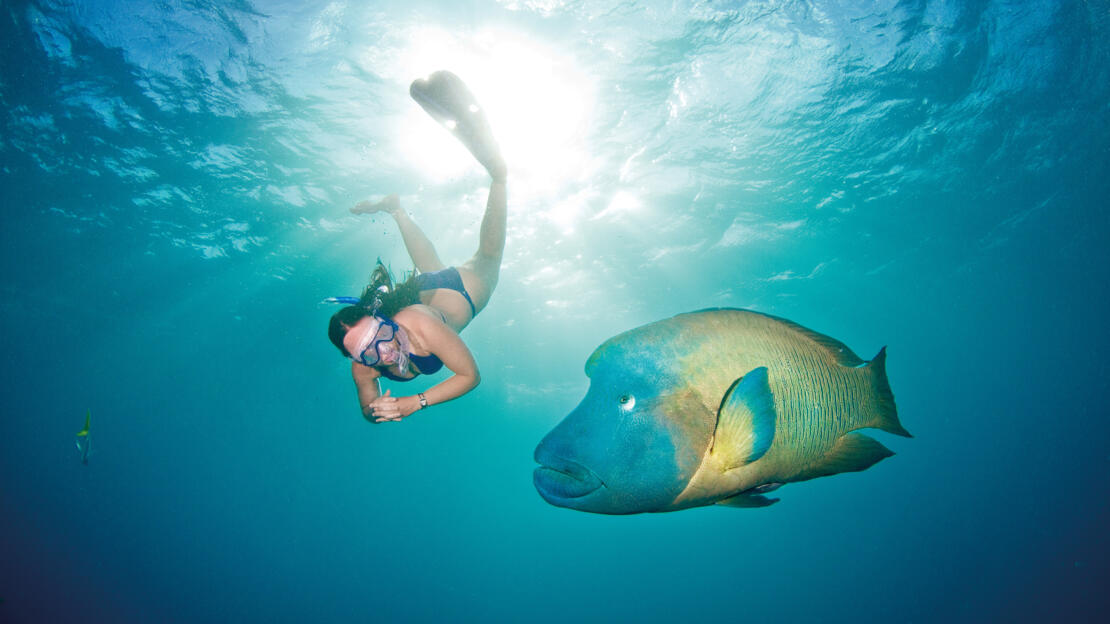
Butterflyfish are a highlight for ID enthusiasts. The GBR hosts dozens of species, many traveling in mated pairs, and their varied patterns make them a satisfying challenge to tell apart. Wrasses of all sizes dart through the reef, from tiny cleaner wrasses working their "stations" to the enormous Maori Wrasse — a gentle giant that can reach nearly two meters in length and will often approach snorkelers out of curiosity.
The Showstoppers
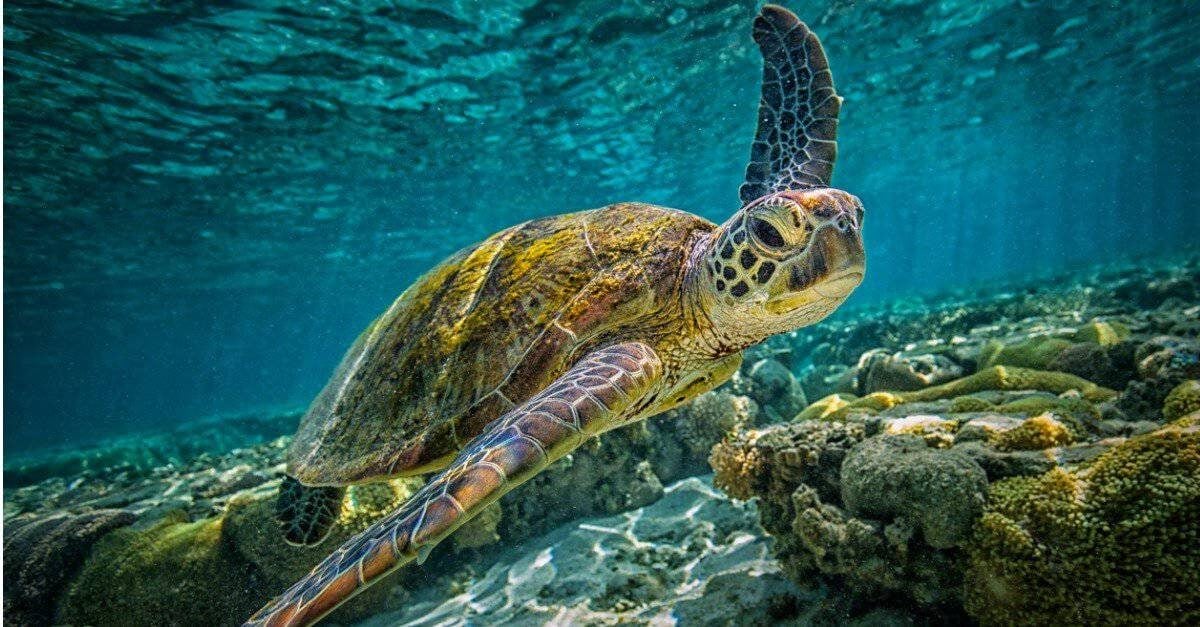
Green sea turtles are one of the most commonly encountered large animals on the reef, especially around the Whitsundays. They graze on seagrass beds and algae and are remarkably unbothered by snorkelers (though you should always maintain a respectful distance). Hawksbill and loggerhead turtles also frequent the reef, though they're less commonly seen.
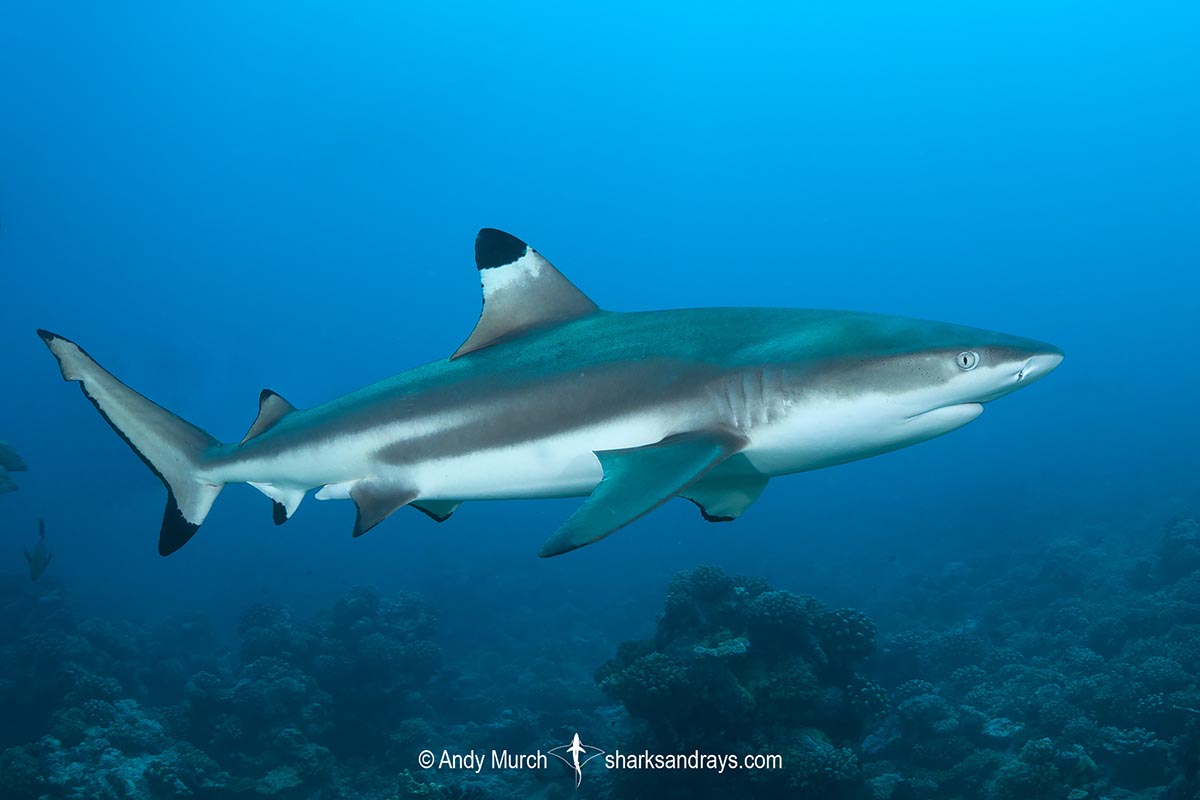
Reef sharks — mostly blacktip and whitetip varieties — patrol the reef edges and are a regular sighting, especially at the outer reefs. They're not interested in snorkelers and will generally keep their distance. At Osprey Reef in the Coral Sea, visibility exceeds 40 meters and large shark aggregations at North Horn are practically guaranteed.
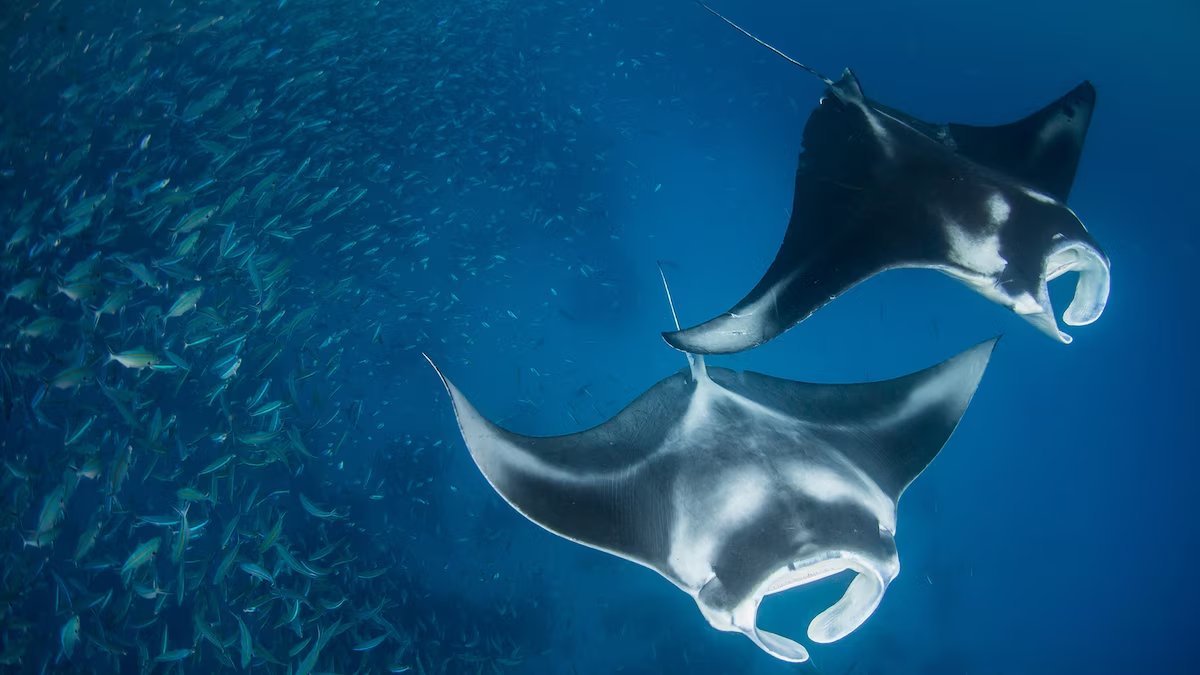
Manta rays visit seasonally, particularly around Lady Elliot Island from May through August. Watching a manta glide beneath you — wingspan up to seven meters — is one of the most unforgettable experiences the reef offers.
The Best Time to Go
The short answer: June through November. These months bring the driest weather, the calmest seas, and the best underwater visibility — often exceeding 20 meters on the outer reef. Water temperatures hover around 22–24°C, comfortable in a thin wetsuit or even just a rash guard.
The summer months (December through February) bring warmer water and the peak of stinger season, when box jellyfish and Irukandji are present in coastal waters. Tour operators provide stinger suits, but if you want to avoid the concern altogether, the dry season is the way to go. Summer does offer its own rewards, though — it's turtle nesting season on the southern cays, and coral spawning typically occurs in November, turning the water into a blizzard of reproductive material in one of nature's great synchronized events.
Conservation: A Reef Under Pressure
The Great Barrier Reef has experienced six mass bleaching events since 2016, with back-to-back bleaching in 2024 and 2025 pushing the conversation about reef health into sharper focus. Rising ocean temperatures cause coral to expel the symbiotic algae that give it color and energy — if the stress persists, the coral dies.
The reef is resilient. It has recovered from bleaching before, and large sections remain vibrant and healthy, particularly on the outer reef and around the southern cays. But the frequency of these events is accelerating, and marine scientists stress that reducing greenhouse gas emissions remains the most critical factor in the reef's long-term survival.
As a visitor, you can help. Choose reef-certified tour operators who follow best-practice environmental guidelines. Wear reef-safe sunscreen (mineral-based, free of oxybenzone and octinoxate). Don't touch, stand on, or collect coral. And consider contributing to organizations like the Great Barrier Reef Foundation, which fund reef restoration and monitoring programs.
Practical Tips
Book an outer-reef trip. The inner reefs closer to shore can be murky and less diverse. The extra boat time to reach the outer reef is worth it for the visibility and marine life alone.
Bring your own mask. A well-fitting mask makes the difference between a good snorkel and a great one. Tour-provided gear is functional but rarely fits perfectly. If you wear prescription lenses, consider a mask with corrective inserts.
Use a flotation vest. Most operators provide them. Even strong swimmers benefit from the ability to float effortlessly and focus on what's below rather than staying afloat.
Take your time. The best sightings come from floating quietly in one spot and letting the reef come to you. Chasing fish scares them away; patience rewards you with natural behavior and closer encounters.
Identify Everything You See
With over 1,500 fish species on the reef, even experienced snorkelers regularly encounter something new. iSea makes identification effortless — snap a photo underwater and get an instant ID, plus detailed information about the species' habitat, behavior, and conservation status. It's like having a marine biologist in your pocket.
Take iSea to the reef
AI-powered marine life identification — free to download.